 LU / EUR

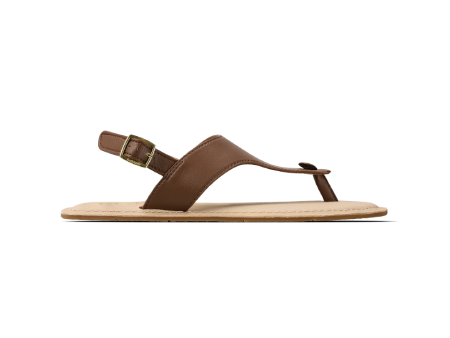
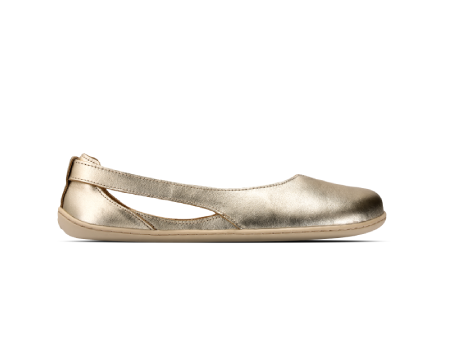
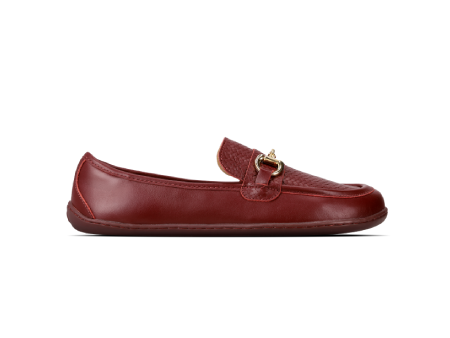
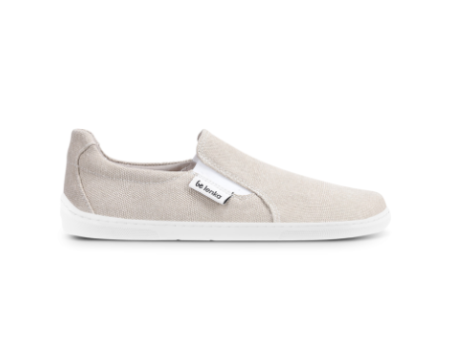
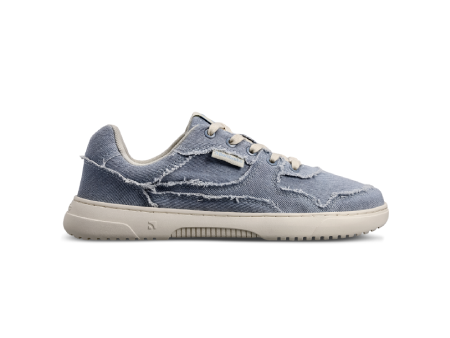
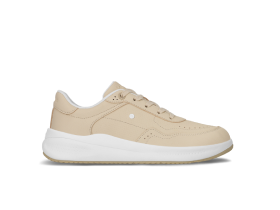
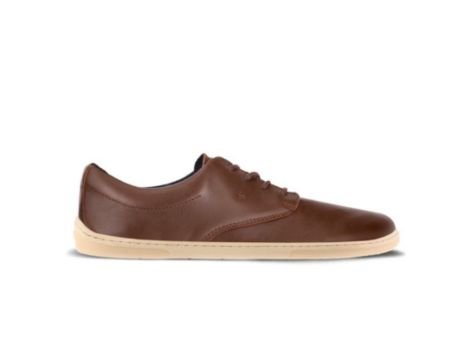
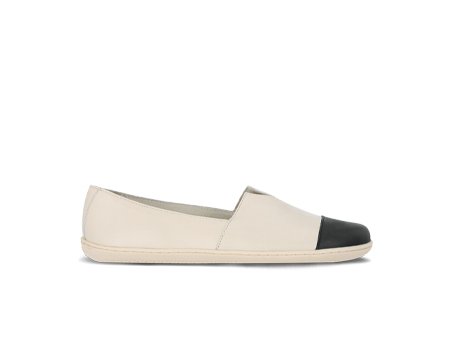

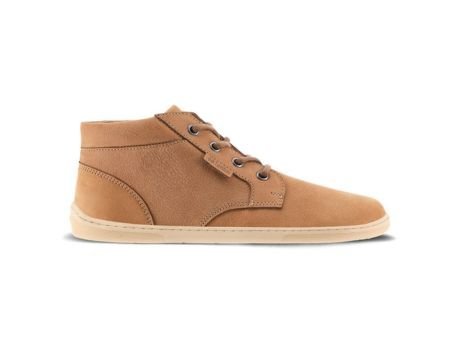
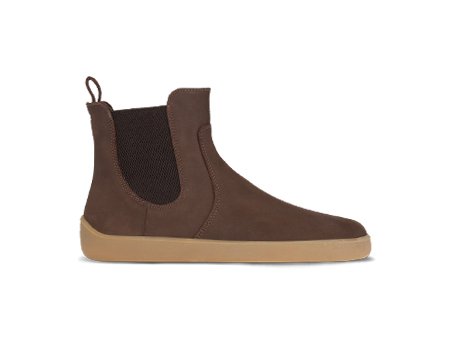
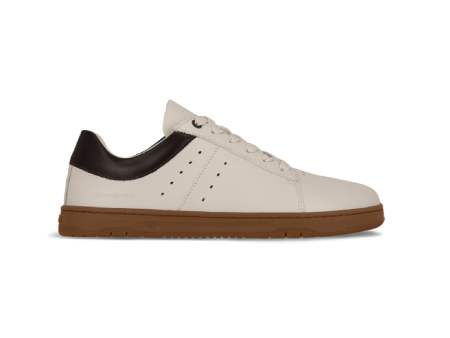
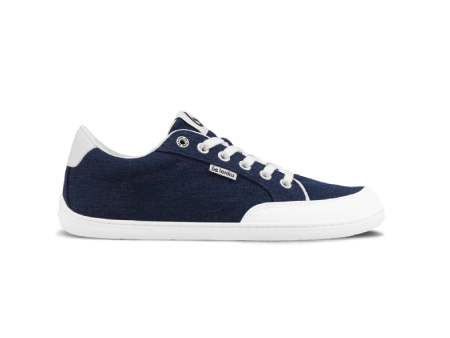

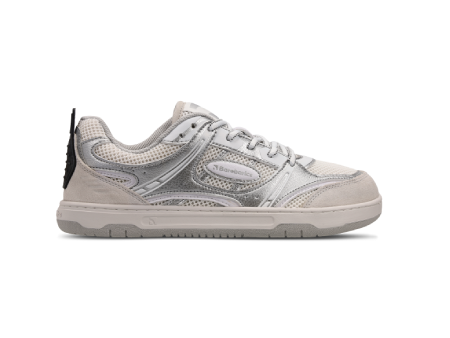
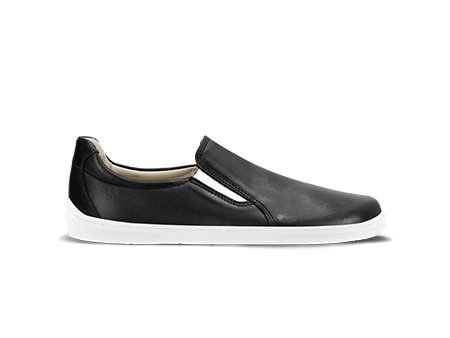
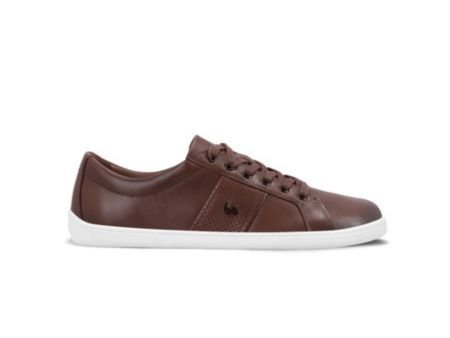

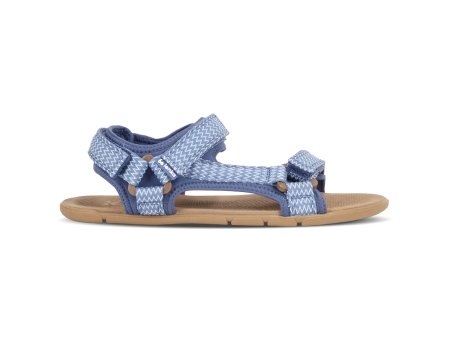

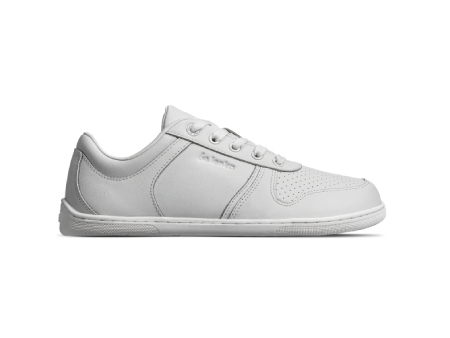

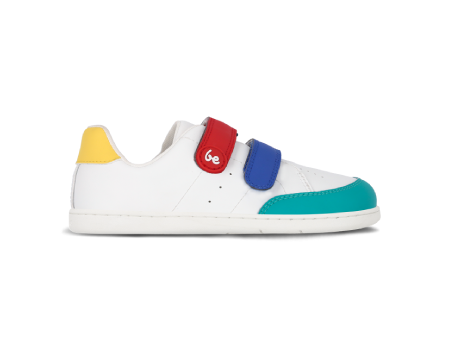
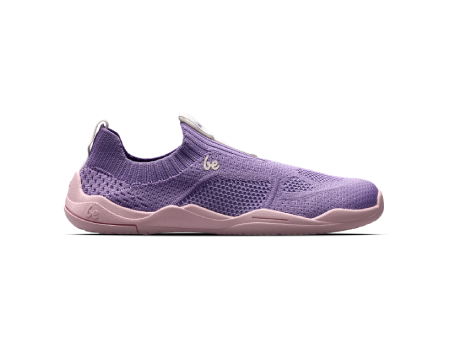
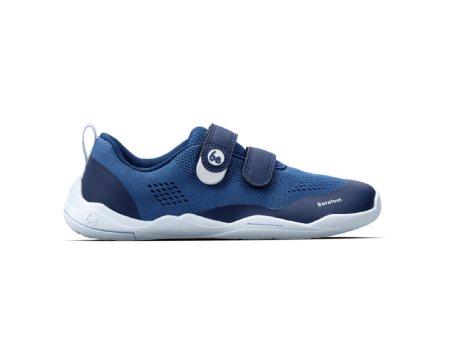
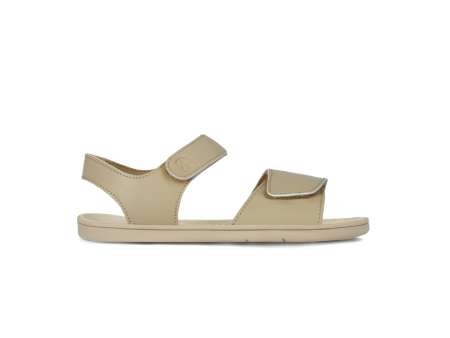
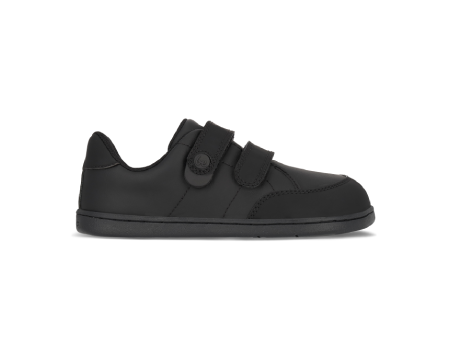

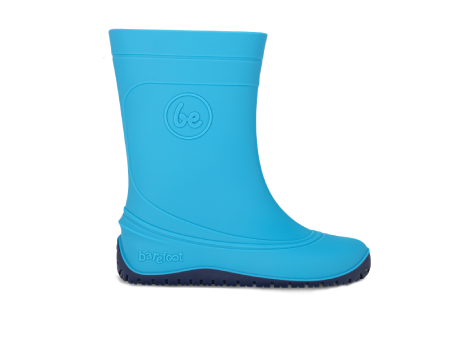
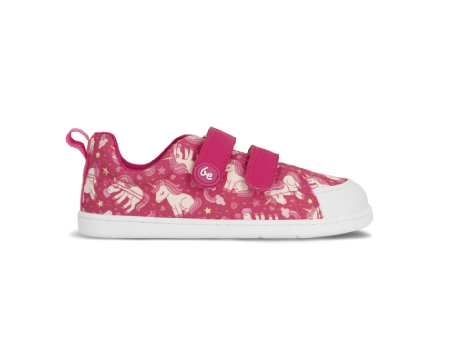
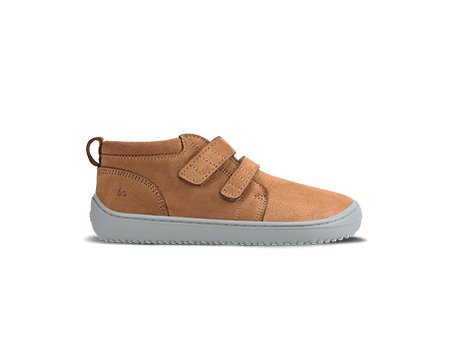
Kids' Barefoot Shoes (125)


Zest Kids (24-36)



Luppo Kids (26-34)

Miami Kids (26-34)
Canvi Kids (26-34)
Nubo Kids (26-34)
Tinkee Kids (26-34)
Bounty Kids (26-34)
Glade Kids (26-34)
Scoot Kids (26-34)
Energise Kids (26-34)
Miami Junior (35-38)
Pudds
Children are born with perfectly functioning feet. A good shoe’s job is not to spoil that. Kids’ barefoot shoes by Be Lenka let the growing foot work exactly as nature intended. When running, jumping, even when standing on one leg because something interesting is happening on the ground.
Why are barefoot shoes a good choice for children?
A child’s foot takes years to form, and everything that acts on it during that time counts. Hard, narrow footwear dictates its shape and its movement. Barefoot shoes do the exact opposite. The spacious toe box leaves room for the toes to grow, the thin flexible sole lets the foot feel the surface and the zero difference between heel and toe keeps the body in a natural posture. This way the child trains balance, coordination and foot strength during every game. Without exercises. Simply by moving.
How fast does a child’s foot grow and how often to measure it?
Faster than you would expect. A nursery-age child’s foot can easily grow by two or three sizes a year, so we recommend measuring it every two to three months. Measure both the length and the width of the foot and add an appropriate allowance to the length according to the size chart of the specific model. Children rarely say that a shoe is too tight. They would rather curl their toes and keep playing. Regular measuring is the simplest protection for their healthy feet.
Designed for children’s adventures
Children’s shoes take a beating from every side. Slides, gravel, braking with the toe on a balance bike. That is why, for its children’s models, Be Lenka relies on durable materials, precise stitching and its own sole compounds that last longer than the warranty card promises. Every model goes through testing before it reaches the market. Premium quality here is not about the price, but about the shoes handling a real child’s pace.
Which kids’ barefoot shoes for every kind of weather?
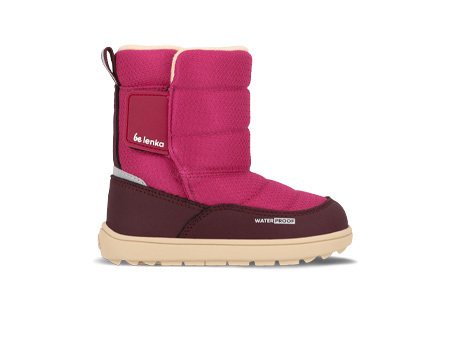
Children are not interested in the forecast. For ordinary days and for school, breathable children’s barefoot trainers do the job, and in the heat children’s barefoot sandals let little feet breathe. For puddles and mud, children’s barefoot wellies are made just right, and frosty days are handled by warm children’s winter barefoot shoes. Whatever it is like outside, the foot always has space and freedom.
To nursery and to school without a grown-up’s help
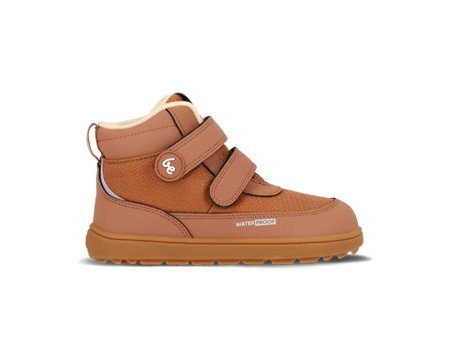
Putting shoes on by themselves is a small victory for children. A nursery-age child can put on models with a hook-and-loop strap or elastic laces on their own, and there is no morning drama in the cloakroom. For schoolchildren, you will find barefoot school shoes in the range, which last all day at desks, in corridors and on the playground. Light, breathable and durable enough for what a day at school can do to a pair of shoes.
When should children start with barefoot shoes?
+ -Ideally from the first steps. Small children do not have to adapt to barefoot, for them natural movement is a given. The sooner the foot gets space, the better its muscles and arch develop. If a child has worn firm footwear until now, they will manage the switch far faster than an adult. A few days of play is enough and they will not even notice the new shoes.
Are barefoot shoes suitable for children with flat feet?
+ -A child’s arch develops gradually, and up to a certain age a flatter foot is completely normal. Barefoot shoes let the arch muscles work actively, which strengthens them naturally. If a child has been diagnosed with more pronounced flat feet, or complains of pain, consult a paediatric orthopaedist who will assess the specific situation.
How do I know the shoes are too small for my child?
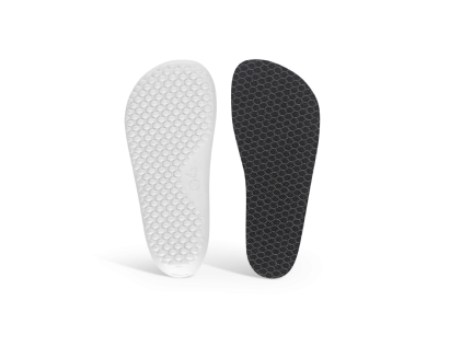
+ -Do not rely on the child telling you. Take out the insole and stand the child on it. If the toes reach the edge or over it, it is time for a bigger size. Also watch for toe prints on the insole, worn toe caps and reluctance to put on a favourite pair. Check every two to three months, a child’s foot grows fast.
Don’t children miss arch support in barefoot shoes?
+ -A healthy child’s arch does not need support from the outside, it needs movement. It forms through the work of the muscles that barefoot shoes engage with every step, whereas a firm shaped insole takes that work over. In children the arch also develops gradually and reaches its full form only at school age, so a flatter foot is completely normal in smaller children. If your child has a problem diagnosed by an orthopaedist and prescribed medical aids, follow the doctor’s recommendation.
My child has worn classic shoes until now. Won’t the switch to barefoot harm them?
+ -It will not, children have a far easier switch than adults. Their feet are naturally flexible and their movement habits are not yet set in stone, so most children get used to barefoot within a few days without any adaptation. In the first days the step may be more careful until the child gets used to the new feeling of close contact with the ground. Leave it to them, the body finds its own pace.