 LU / EUR










Does your back hurt? Your shoes could be the reason
 Be Lenka
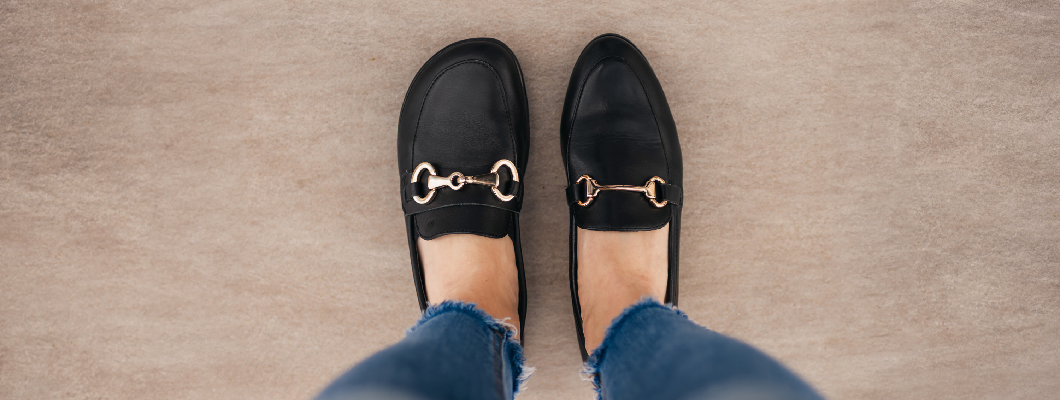
Does your back hurt? Your shoes could be the reason
Back pain and lower back pain are among the most common health issues today. What many people don’t realize is that the root cause can start at the feet. In this article, you’ll learn how footwear affects posture and what you can do for a healthier back.
Article overview
- What does back pain have to do with your feet?
- How do shoes affect posture and the spine?
- Why can conventional shoes make lower back pain worse?
- How can you tell if your shoes aren’t right for your back?
- How can barefoot shoes help with back pain?
- How to transition to more natural movement safely?

What does back pain have to do with your feet?
Back pain often doesn’t originate directly in the spine. Very often, it’s the result of long-term disruption in the movement chain, which begins at the feet. When the feet don’t function properly, the body compensates, placing excess strain on higher segments.
How are your feet and back connected?
- the feet are the first point of contact with the ground
- they influence stability, balance, and weight distribution
- improper foot function alters the alignment of the knees, pelvis, and spine
The result may be not only foot pain, but also chronic lower back pain and stiffness in the back.
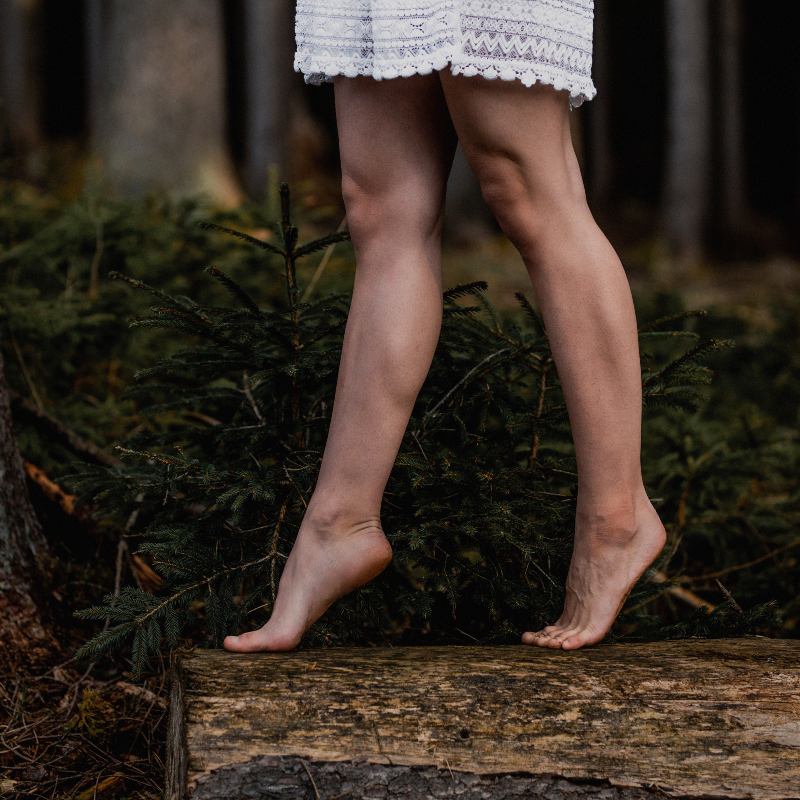
How do shoes affect posture and the spine?
Shoes play a fundamental role in how we walk. Heel height, toe box shape, and sole stiffness all influence natural body alignment and, in turn, the load placed on the spine.
Where footwear has the greatest impact
- pelvic tilt and lumbar spine alignment
- core muscle activation
- the body’s ability to absorb impact naturally
When shoes force the feet into an unnatural position, the body compensates. Over time, these compensations show up as fatigue, tension, or back pain.
Why can conventional shoes make lower back pain worse?
Many widely available “comfortable” shoes feel good at first, but from a biomechanical perspective they can actually deepen the problem. The cushioning and support they proudly promote often replace the natural work of the muscles.
Most common problematic features
- elevated heel shifts the body’s center of gravity
- narrow toe box restricts natural toe function
- thick sole reduces sensory feedback from the ground
Over the long term, this leads to weakened foot muscles, reduced stability, and increased strain on the lower back.
How can you tell if your shoes aren’t right for your back?
Signs that your footwear isn’t ideal often show up beyond the feet themselves. The body remembers long-term overload and responds with pain.
Warning signs
- recurring lower back pain throughout the day
- back stiffness after longer walks
- leg fatigue with no obvious cause
- reduced balance
If these symptoms keep returning, it’s worth reassessing both your choice of footwear and the way you walk.
How can barefoot shoes help with back pain?
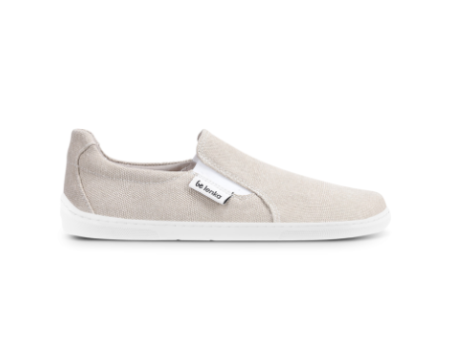
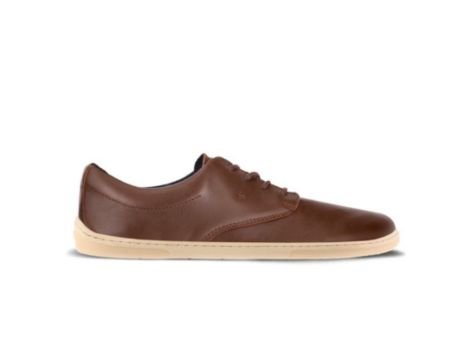
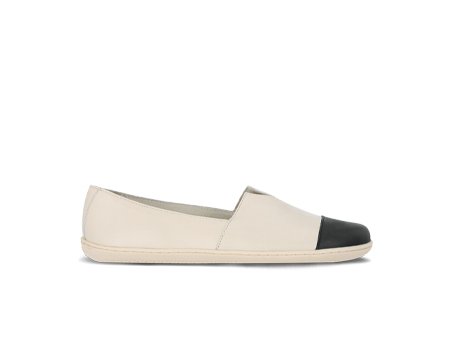
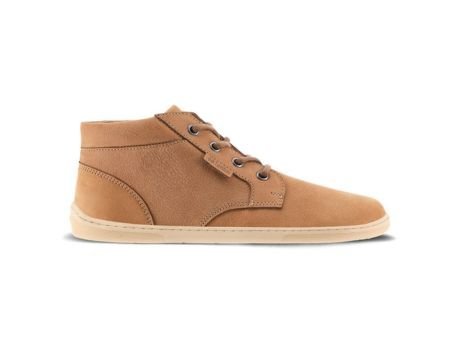
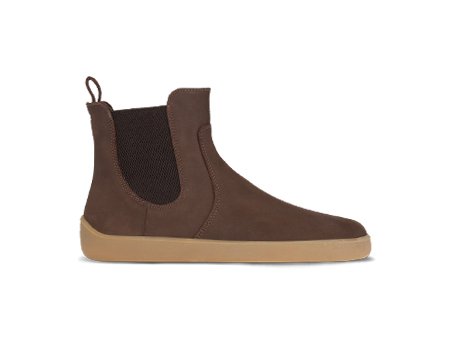
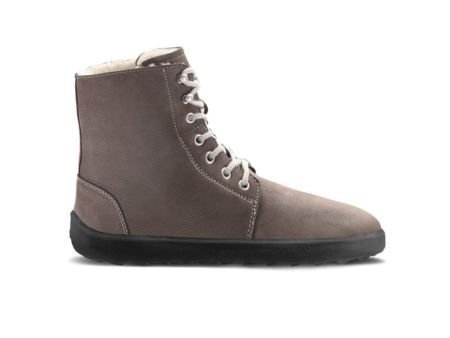
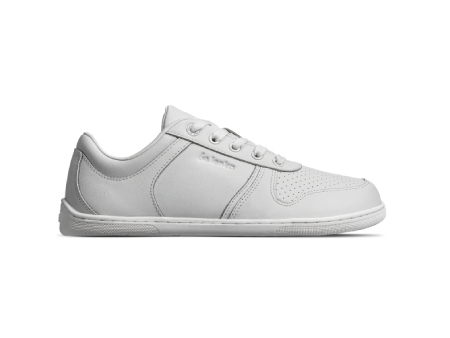
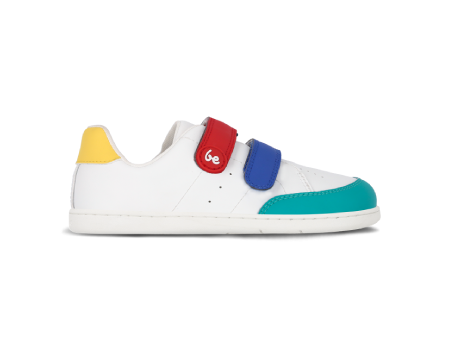
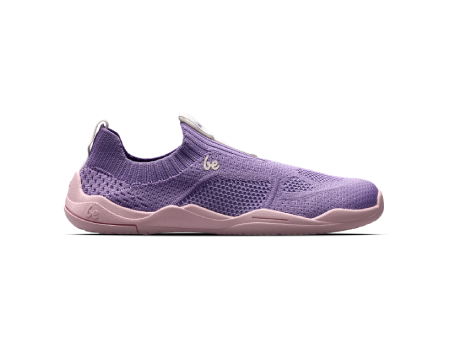
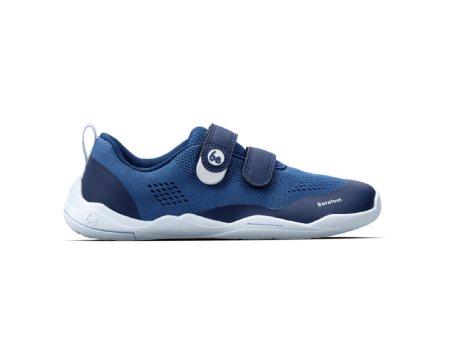
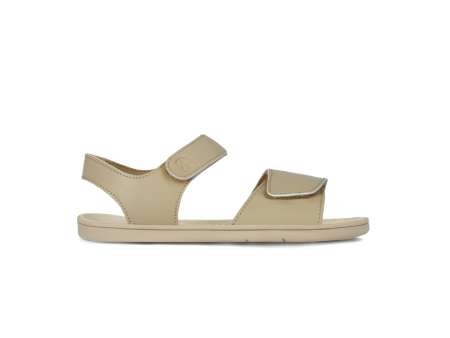
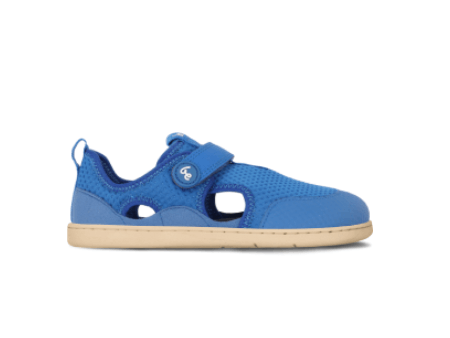
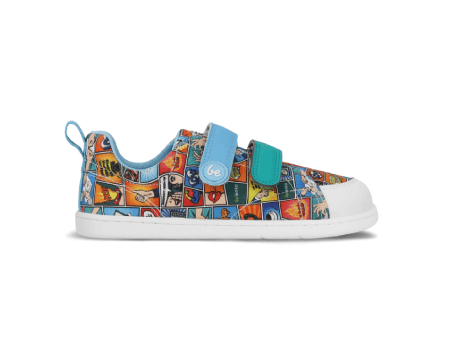
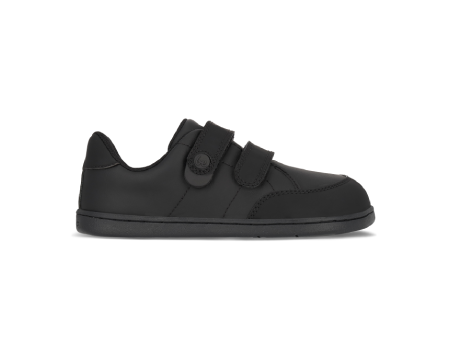
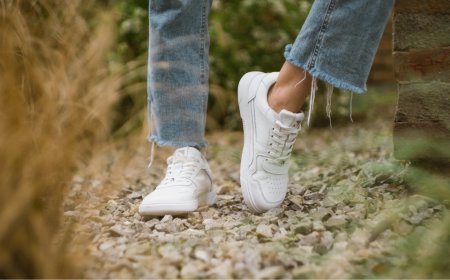
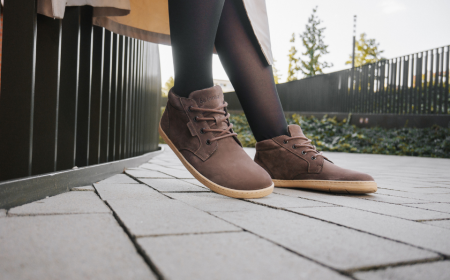
Barefoot shoes respect the natural shape of the foot and support its active function. They’re not a cure, but a return to more natural movement.
Core principles of barefoot footwear
- zero drop between heel and toe
- flexible sole
- enough room for natural toe movement
When used correctly, barefoot shoes can contribute to better posture, more even load distribution, and reduced back pain. Patience is essential. The goal isn’t performance, but long-term musculoskeletal health.
How to transition to barefoot shoes without pain or overload is explained in more detail in our older blog, which you can find here.
What is the most common footwear-related cause of back pain?
+ -Most often, it’s long-term wear of shoes that alter natural posture and weaken proper foot function.
How quickly can a change in footwear affect the back?
+ -For some people, changes can be noticeable within a few weeks. For others, it may take several months of consistent wear.
Are barefoot shoes suitable for everyone?
+ -In most cases, yes. However, the transition should be gradual and individualized. If you have existing health issues, it’s best to consult a specialist before switching to barefoot footwear.
Where should you start if you want to change your shoes?
+ -Ideally, begin by choosing the correct size and gradually reducing the amount of time you wear the new footwear.
Sources
- Rodríguez-Longobardo et al. (2025). Effects of Barefoot and Minimalist Footwear Strength-Oriented Training on Foot Structure and Function in Athletic Populations: A Systematic Review
- Morrison et al. (2025). Minimalist Footwear in the Treatment and Rehabilitation of Lower Limb Impairments Across the Life Course: A Scoping Review
Find your size using our guide
Do you think others should know about this too?
Share it :)